A home plumbing maintenance checklist helps you find leaks, prevent clogs, protect pipes, and spot unsafe problems early. Check sinks, toilets, drains, valves, exposed pipes, and the water heater each month. Seasonal checks also help Hyannis homeowners prepare for summer use, winter freezes, storms, and time away from home.
Table of Contents
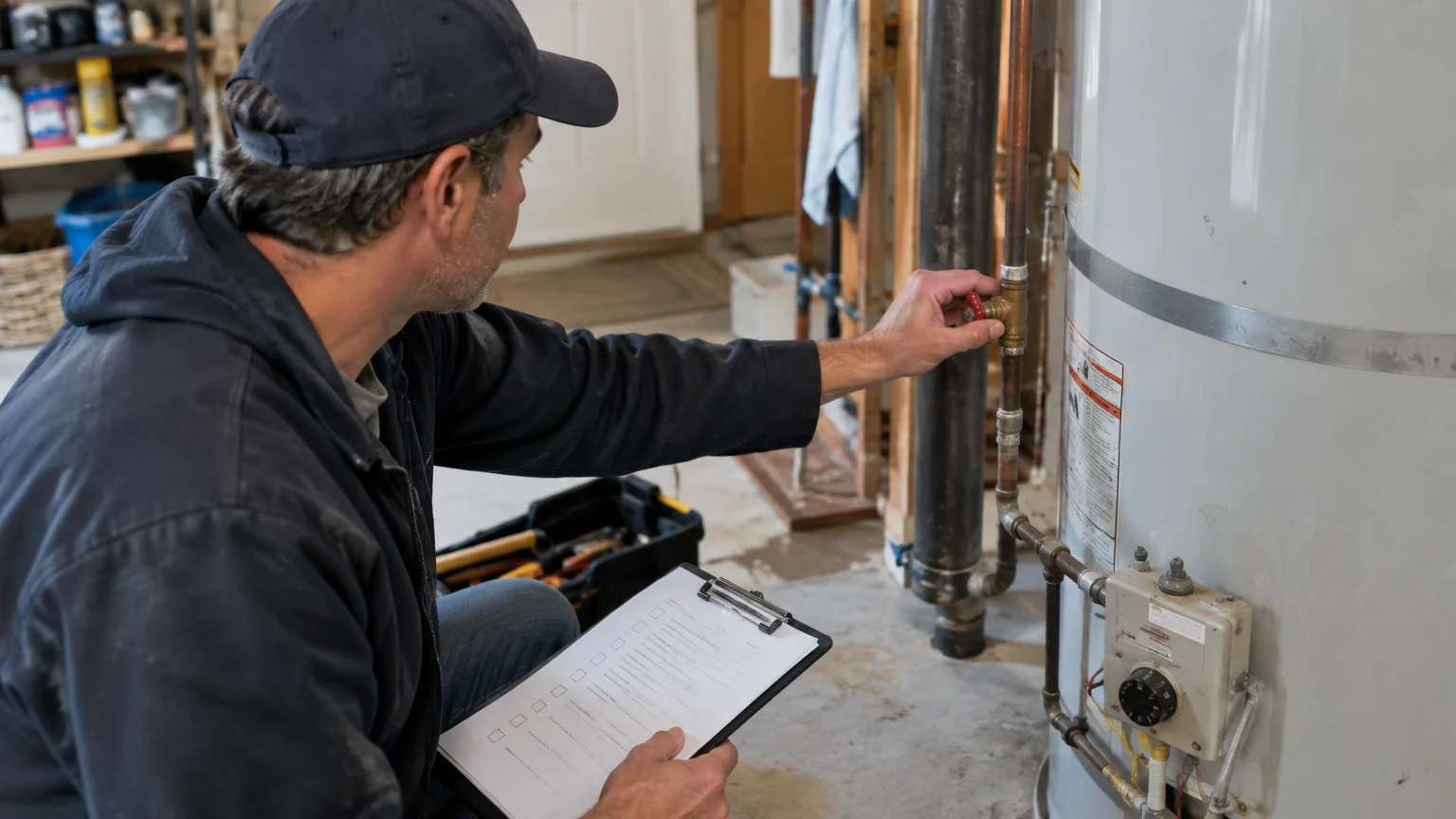
- What should be included in a home plumbing maintenance checklist?
- Which plumbing maintenance tasks should you complete every month?
- What seasonal plumbing maintenance should homeowners schedule?
- How do you prepare your plumbing for winter?
- What plumbing tasks should you complete before going on vacation?
- Which plumbing warning signs require professional attention?
- How can homeowners maintain plumbing systems throughout the year?
- Frequently Asked Questions
What should be included in a home plumbing maintenance checklist?
A useful checklist covers water lines, drains, toilets, faucets, shutoff valves, water heaters, and exposed pipes. It should also include safety checks and clear rules for when to call a licensed plumber. The goal is early action, not major repair work.
How regular plumbing checks prevent larger problems
Small leaks can harm cabinets, floors, walls, and stored items. A slow drain may also show buildup farther inside the pipe. Early checks give you time to clean the area, watch the problem, or arrange plumbing repair before water damage spreads.
Look under every sink during a home plumbing maintenance checklist review. Feel the pipes and supply lines for damp spots. A musty smell, peeling cabinet surface, or soft floor needs attention. Water marks on a ceiling or wall may show a hidden leak. Check leaks before they cause wider damage.
You should also know where the main water shutoff valve is located. This valve stops water to much of the home during a burst pipe or large leak. Each fixture may have a smaller valve near its water line.
What tools and safety precautions do homeowners need?
Basic upkeep may need a flashlight, bucket, old towels, gloves, a small brush, and an adjustable wrench. A plunger can help with simple sink or toilet clogs. Most homeowners do not need a professional for these basic checks or simple cleaning.
Never force a stuck valve. Do not use tools on a gas connection. Never mix drain chemicals. They can create harmful fumes and damage pipes. Do not open a water heater, change gas parts, or work near hidden electrical connections.
Hyannis Plumber can help property owners decide which task is safe to handle. The business can also explain when a repair needs trained help. Plumbing costs depend on the parts, access, damage, and urgency, so the final cost is confirmed on a quote.
Which plumbing maintenance tasks should you complete every month?
Monthly checks should focus on leaks, water flow, drainage, toilets, and shutoff valves. These tasks often take little time and do not need a professional. They matter most in kitchens, bathrooms, laundry rooms, basements, crawl spaces, and utility areas.
How to check for leaks under sinks and around fixtures
Remove items from under each sink and inspect the cabinet floor. Look for drops, stains, swollen wood, or a damp smell. Check each supply line where it joins the faucet and wall. Run the faucet and watch every connection while water flows.
Inspect the base of each toilet and the area around tubs and showers. A toilet that rocks, leaks at its base, or leaves water on the floor needs attention. Check faucet handles and shower connections for drips. A small, steady drip can waste water and harm nearby surfaces.
Check exposed pipes in basements, crawl spaces, and utility rooms. Look for rust, white marks, cracks, or wet insulation. Do not remove walls or ceilings to search for a leak. A hidden leak needs professional help, especially when stains keep growing.
What to inspect on toilets, faucets, drains, and water shutoff valves
A running toilet may have a worn flapper, a bad fill valve, or the wrong water level. You can remove the tank lid and listen for constant water flow. Check that the handle returns fully after each flush. Simple parts may be replaced by a careful homeowner.
For drains, remove visible hair and dirt from strainers. Do not push objects deeper into the pipe. Run water through every fixture and note slow flow, gurgling, or bad smells. Several slow drains may point to a larger blockage.
Turn each fixture shutoff valve gently to see if it moves. Never force it. A valve that will not close can make a leak harder to control. Ask Hyannis Plumber about Drain Cleaning when clogs return after basic cleaning.
Check faucet aerators when water flow becomes weak. An aerator is the small screen at the end of a faucet. It helps shape the stream and catch small bits of dirt. Clean it carefully, then replace it if it remains blocked.
What seasonal plumbing maintenance should homeowners schedule?
Seasonal plumbing maintenance changes with weather and household use. Spring checks focus on leaks and outdoor water lines. Summer checks address heavy use and irrigation. Fall checks prepare the home for cold weather and more indoor time.
Spring and summer plumbing checks
In spring, inspect exposed pipes, hose connections, outdoor faucets, and sump pump areas. Look for cracks caused by winter freezing. Open outdoor faucets slowly and watch for leaks inside the home. A damaged pipe may leak behind a wall when the faucet runs.
Summer can bring more laundry, showers, guests, and outdoor water use. Check that drains keep up with normal use. Clean faucet aerators when flow becomes weak. Watch for water around washing machines, dishwashers, and outdoor taps.
Pool filling, sprinkler use, and outdoor cleaning can place more demand on the water system. Do not send grease, wipes, paper towels, or food scraps into drains. These items can create clogs in household pipes or the sewer line.
Tenants, investors, and owners of rental homes should record leaks and slow drains. A short record helps show when a problem started. It also helps a plumber find patterns during a later visit.
Fall preparation for colder weather
Before cold weather arrives, disconnect garden hoses and drain outdoor faucets. Close indoor shutoff valves for outdoor lines when the plumbing design allows it. Inspect pipe insulation in garages, crawl spaces, and other unheated areas.
Fall is also a good time to check the water heater. Look for rust, moisture, odd sounds, or changes in hot water. Tank water heaters may need anode rod replacement over time. An anode rod is a metal part that helps protect the tank from rust.
Water heater problems should not be ignored. Hyannis Plumber provides Water Heater Repair for homes and businesses in the main Hyannis area. Help may be needed when a system stops heating, leaks, or shows signs of damage across nearby Cape Cod communities.
How do you prepare your plumbing for winter?
To prepare plumbing for winter, insulate exposed pipes, remove outdoor hose connections, and keep cold areas warm. During a hard freeze, let suitable indoor faucets run slightly and open cabinets near outside walls. These steps lower risk but cannot fix a damaged or poorly installed system.
How to protect exposed pipes from freezing temperatures
Pipe insulation is foam or another cover placed around a pipe. It slows heat loss. It helps most on pipes in garages, crawl spaces, attics, and exterior walls. Insulation should fit firmly without crushing the pipe.
Keep garage doors closed during freezing weather. Do not use open flames, outdoor heaters, or unsafe devices to thaw a pipe. If a pipe freezes, turn off the water supply and open the nearest faucet. This lowers pressure while the pipe warms safely.
A frozen pipe may split before water starts flowing again. Watch for bulges, cracks, or wet areas. If a pipe breaks, shut off the main valve and keep people away from electrical hazards. Then arrange emergency plumbing help.
What to do before a hard freeze or winter storm
Before severe weather, make sure everyone in the home knows the main shutoff location. Keep the valve key or tool where it can be found quickly. Check that outdoor lines are disconnected and exposed indoor pipes have protection.
During a freeze, keep the heat running at a safe setting. Open cabinet doors under sinks on outside walls when safe. A small stream of water may help some pipes, but it does not replace insulation or repair.
Hyannis weather can shift quickly during the colder months. Homeowners should check outdoor pipes before a storm, not after damage appears. Property owners should also tell tenants where the shutoff valve is located.
What plumbing tasks should you complete before going on vacation?
Before leaving, check for leaks, secure fixtures, and decide whether to shut off the main water supply. The right choice depends on the home, weather, appliances, and length of the trip. A trusted person should know how to reach the shutoff valve.
How to shut off water and protect your home while away
Inspect sinks, toilets, appliances, and water heater connections before leaving. Check washing machine hoses and the dishwasher line for dampness or wear. You may shut off the main water valve if the property will be empty for an extended time.
If the main water stays on, make sure all taps are closed. Set the water heater according to the maker’s travel guidance. Do not turn off home heating during freezing weather unless the plumbing has been fully prepared.
Ask a trusted person to check the property after severe weather. That person should look for leaks, standing water, odd sounds, and loss of heat. Smart leak sensors can send alerts, but they do not replace an emergency shutoff plan.
What to inspect when you return
Open the main valve slowly if it was closed. Check each fixture and appliance connection as pressure returns. Look under sinks, around toilets, near the water heater, and in any basement or crawl space.
Run faucets for a short time and note poor flow, odd color, or strange smells. Flush toilets and watch for leaks. If water appears where it should not, close the shutoff valve and arrange professional help.
Which plumbing warning signs require professional attention?
Professional attention is needed for hidden leaks, repeated clogs, sewer backups, large pressure changes, gas concerns, and water heater faults. A homeowner can do basic checks, but unsafe work should not be attempted. Fast action can limit damage and related plumbing costs.
When leaks, clogs, pressure changes, or water heater issues indicate a larger problem
A single slow drain may improve with careful cleaning. Repeated backups, several slow drains, sewage smells, or gurgling sounds may show a deeper blockage. Drain cleaning may be needed when a plunger does not solve the problem.
Low water pressure can come from a closed valve, blocked aerator, leak, or larger supply issue. High pressure can strain fixtures and appliances. Sudden pressure changes should be checked, especially when they happen with wet spots or loud pipe noise.
A water heater that leaks, trips a safety control, produces rusty water, or stops heating needs professional review. Never remove gas covers or bypass safety controls. Hyannis Plumber helps property owners with water heater concerns, toilet repair, leak detection, and general plumbing service.
What to do during a plumbing emergency
First, protect people from slipping water and electrical hazards. Shut off the nearest fixture valve or the main water supply if needed. Move valuable items away from the leak when safe. Do not enter flooded areas near electrical equipment.
A gas smell is an emergency. Do not test for a gas leak with a flame, switch, or electrical device. Leave the area and contact the gas utility or emergency services from a safe location. A plumber can inspect related plumbing after the area is safe.
How can homeowners maintain plumbing systems throughout the year?
A simple annual schedule makes maintenance easier. Monthly checks catch small changes. Seasonal checks protect outdoor lines and exposed pipes. A yearly review helps homeowners plan repairs before a failure affects the household.
A practical annual maintenance schedule
Each month, inspect visible connections, toilets, faucets, drains, and shutoff valves. In spring, check outdoor faucets and signs of winter damage. In summer, watch water use, drainage, and irrigation connections. In fall, prepare exposed pipes and review water heater condition.
Before winter, protect vulnerable pipes and confirm the main shutoff location. Before travel, inspect appliances and decide how to manage the water supply. After a storm or freeze, check for leaks before normal water use resumes.
Keep a short record of repairs, odd sounds, water pressure changes, and appliance age. This record helps a plumber find patterns. It also helps property owners plan care for rental homes, offices, and investment properties.
Key takeaways for preventing avoidable plumbing damage
- Check visible plumbing every month for leaks, stains, dampness, and rust.
- Keep drains clear by limiting grease, wipes, hair, and food waste.
- Protect exposed pipes before freezing weather arrives.
- Know the main shutoff location before a leak or burst pipe occurs.
- Call a professional for gas concerns, sewer backups, hidden leaks, and water heater faults.
This home plumbing maintenance checklist can help people in Hyannis find small problems sooner. Hyannis Plumber can provide plumbing advice when a check finds a leak, clog, or unsafe condition. Contact us to arrange professional plumbing support.
Frequently Asked Questions
How often should a homeowner check the plumbing?
A homeowner should make a quick visual check each month and a deeper review each season. The review should cover sinks, toilets, faucets, drains, outdoor connections, exposed pipes, and the water heater. Older homes, rental properties, and homes with past leaks may need closer watching.
What should someone do if a toilet keeps running?
Check whether the handle is stuck and whether the tank flapper closes fully. The water level should stay below the overflow tube. If the toilet still runs after simple changes, the fill valve or another inside part may need replacement or professional repair.
How can a homeowner check for gas leaks?
Never use a flame or electrical switch to check for a gas leak. A rotten-egg smell, hissing sound, or suspected leak means you should leave at once. From a safe location, contact the gas utility or emergency services. Plumbing work should wait until the area is cleared.
Should homeowners use chemical drain cleaners?
Chemical drain cleaners are usually not the first choice for routine maintenance. They can harm pipes, create fumes, and injure skin or eyes. A plunger, drain screen, or careful removal of visible debris is safer for simple clogs. Repeated blockages need professional diagnosis.
When should a homeowner call a plumber?
Call a plumber for burst pipes, hidden leaks, sewer backups, gas concerns, repeated clogs, major pressure changes, and water heater faults. Professional help is also wise when a repair involves gas, electricity, sealed equipment, or plumbing inside walls.
If you are unsure what you are dealing with, have the problem checked before it grows. Good plumbing advice can help protect the home, reduce water waste, and guide the next safe step.
If you are not sure what you are dealing with, it is worth having someone look at it before it turns into a bigger job. Get in touch with Hyannis Plumber today and we will tell you where you stand.