Tank Services
Tanks for Expansion, Wells and Storage
A home’s water system leans on a few tanks, and Hyannis Plumber works on all of them: the small expansion tank beside a water heater, the pressure tank on a private well, and larger storage tanks kept for backup or rainwater. When one fails you tend to notice pressure that lurches up and down, a well pump that clicks on and off constantly, a relief valve that drips, or wet fittings, and none of that improves with waiting.
Hyannis has a January mean daily minimum of 22.3°F, so a tank or its piping in an unheated garage or crawl space deserves a look before cold weather. The job comes down to the right size, a correctly set air pre-charge and proper valves, whether that means swapping a dead expansion tank, diagnosing a waterlogged well tank or tying a storage tank into the house.
Tank Work Offered
Water Tank Jobs Handled
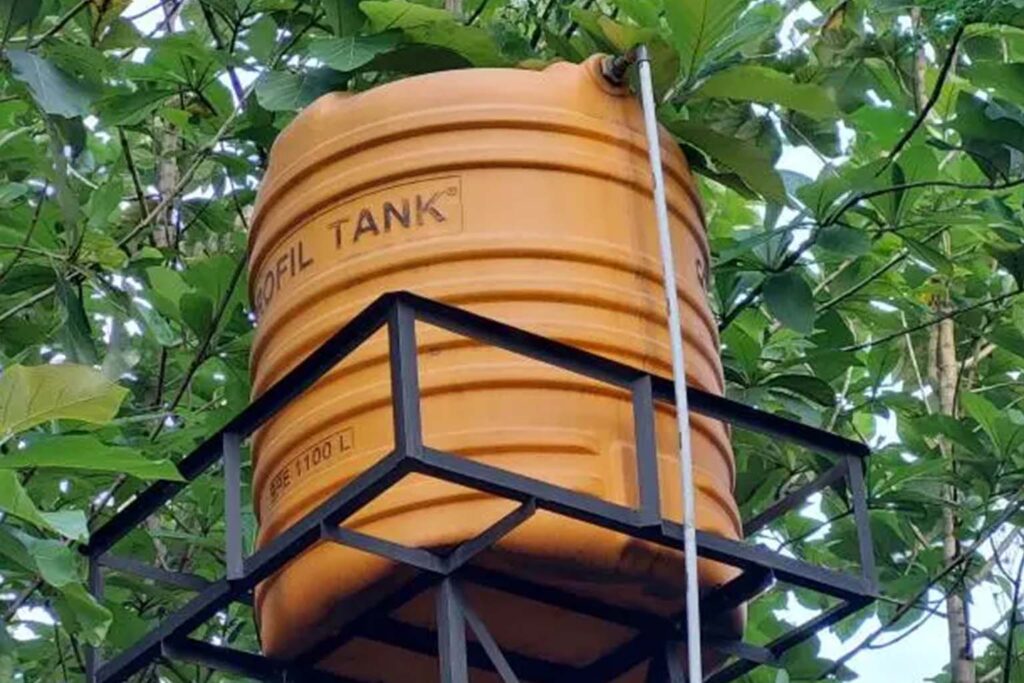
Installing a New Tank
Expansion, well pressure and storage tanks are fitted at a size matched to the water heater, pump or household demand.
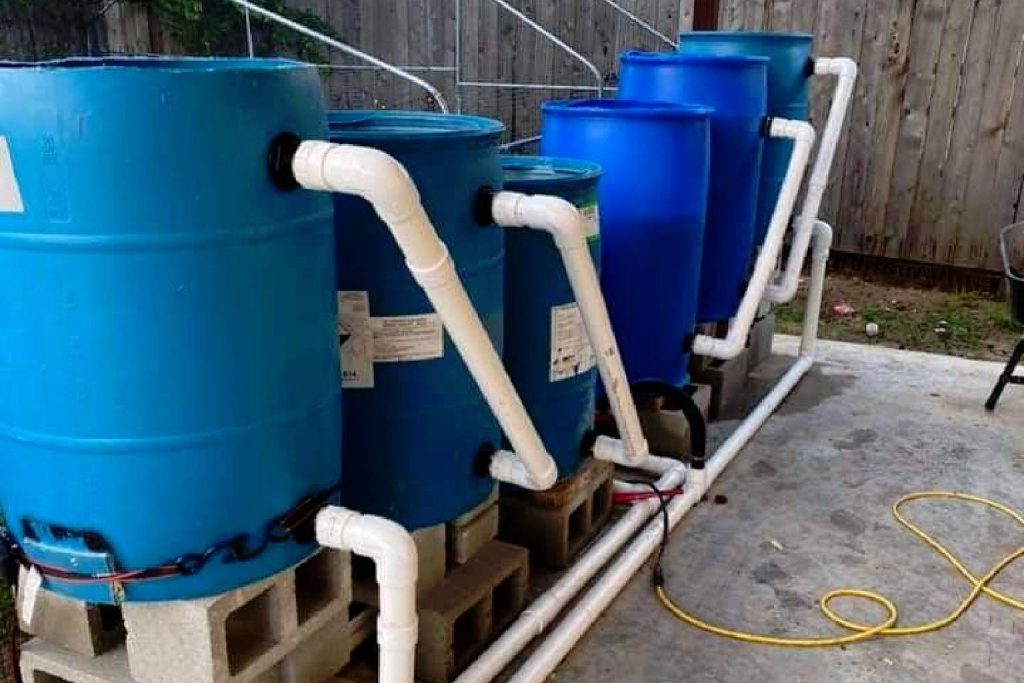
Replacing a Worn Tank
A tank that has rusted through, leaks, has gone waterlogged or is too small gets swapped for a better-matched one.
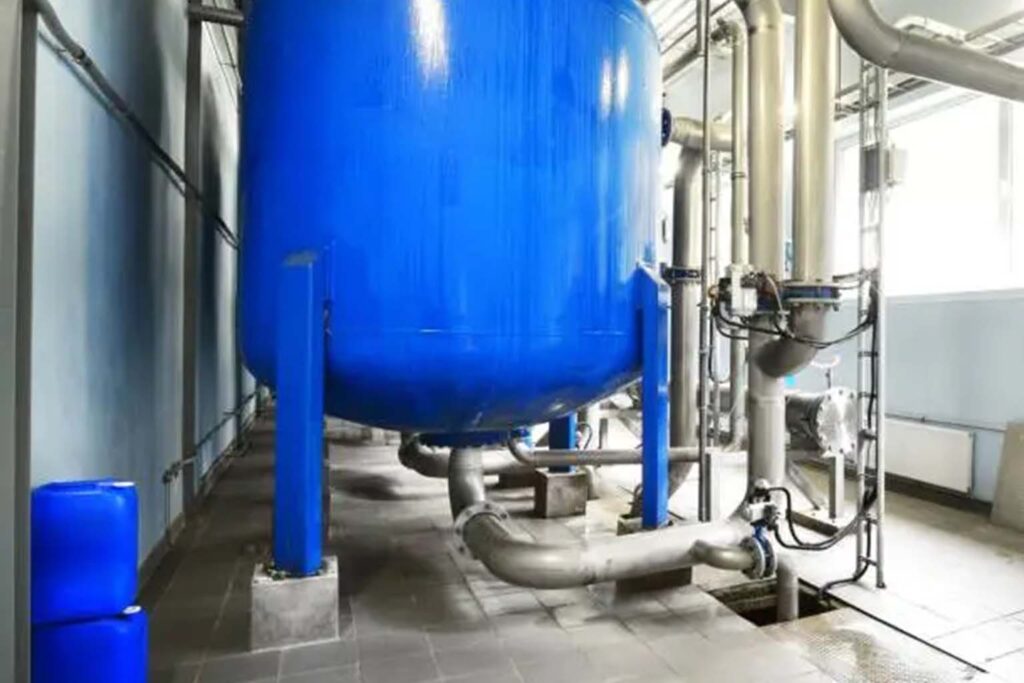
Expansion Tank Checks
Testing and resetting the air pre-charge, changing out dead tanks and ending the drip from a relief valve that opens whenever the heater fires.
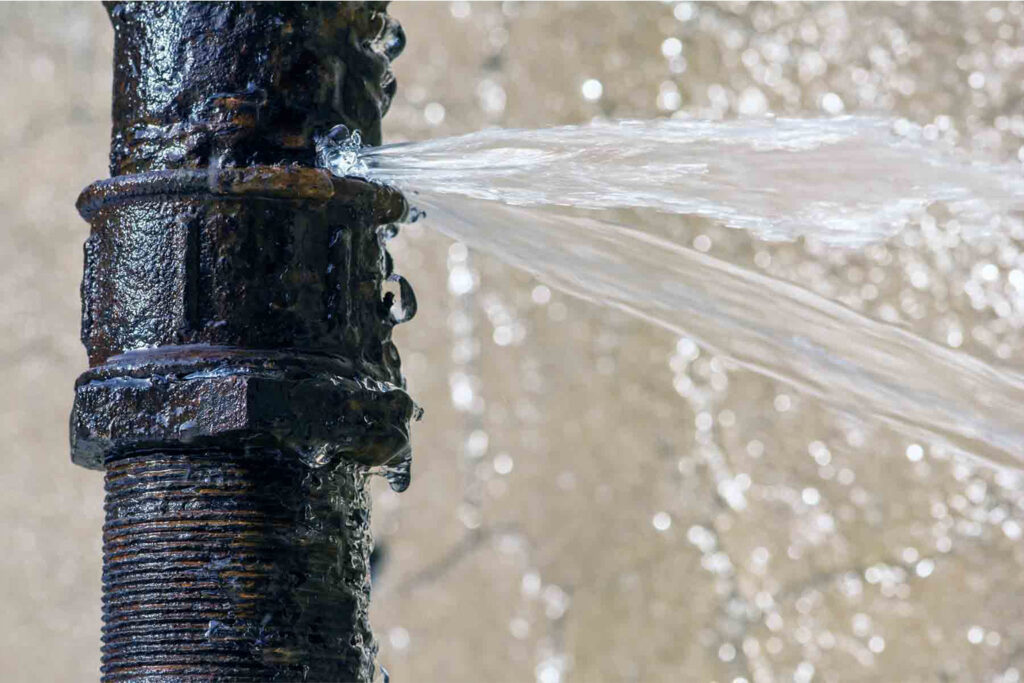
Stopping Leaks
Leaks at the tank shell, inlet and outlet fittings and valves are repaired before they reach floors or walls.
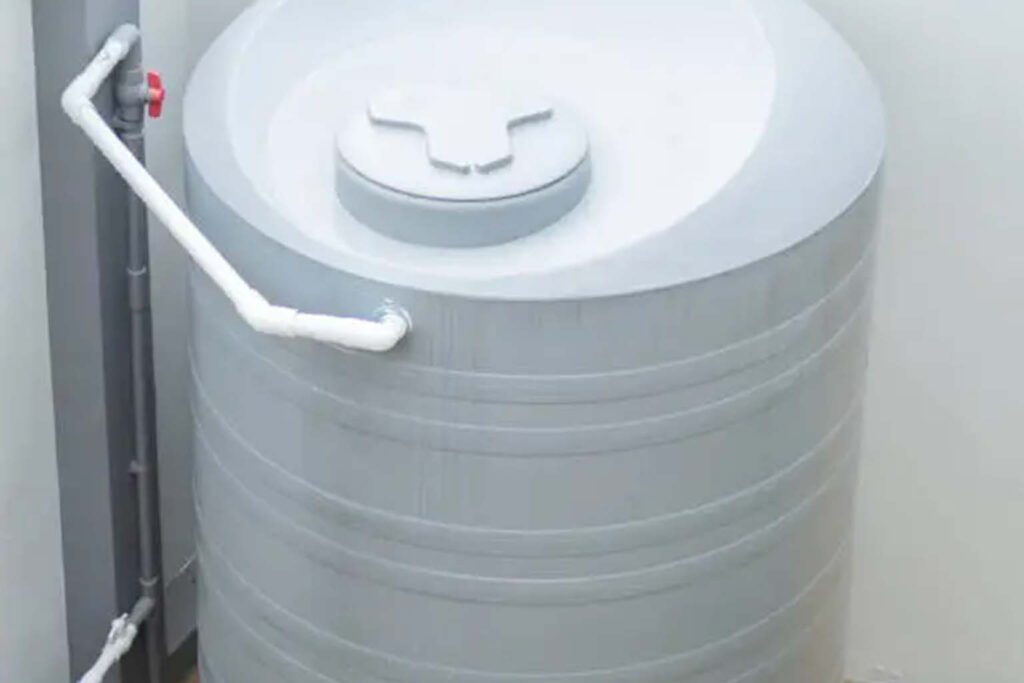
Well Tank Troubleshooting
Correcting waterlogged tanks, wrong pressure-switch settings and pumps that short-cycle and burn out too soon.
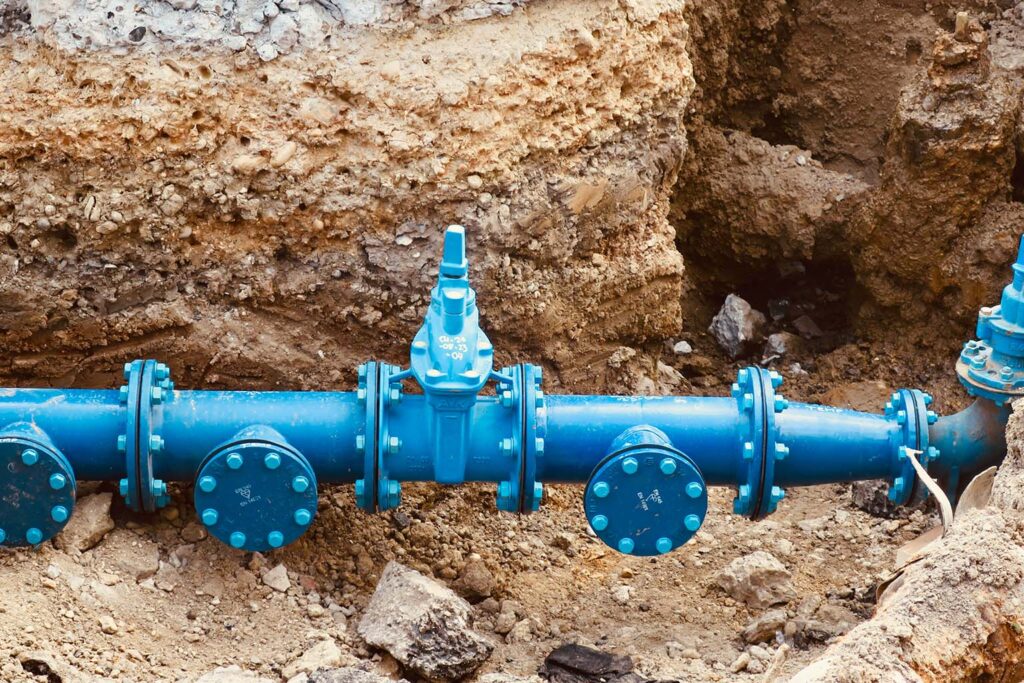
Pipe and Valve Updates
Corroded or tired piping, shut-off valves, gauges and supports around the tank get replaced.
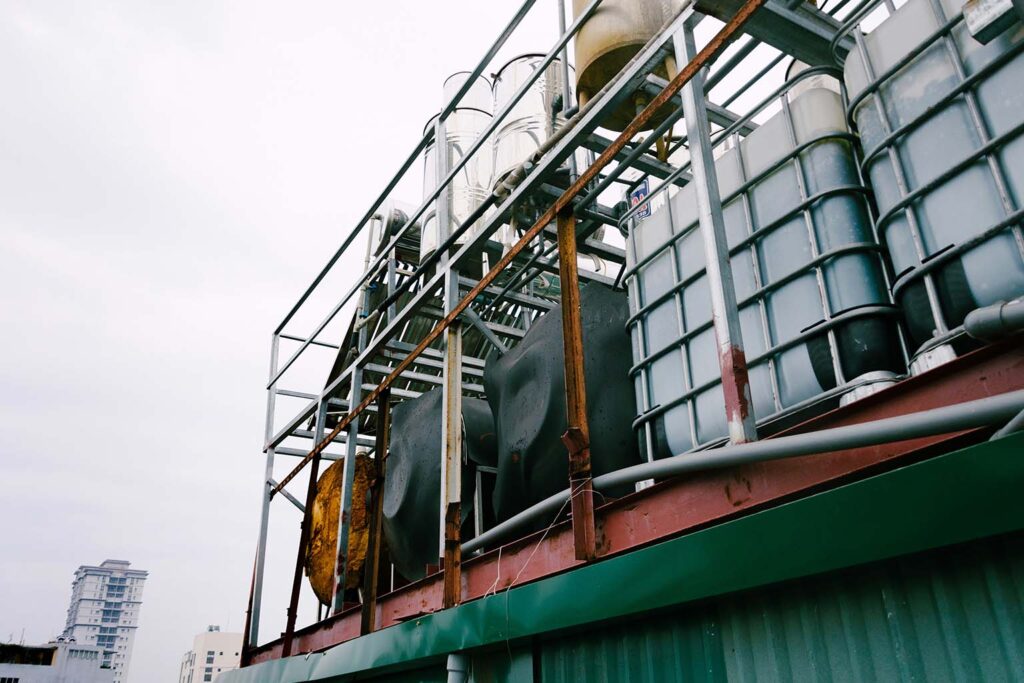
Hooking Up Storage Tanks
Backup and rainwater tanks are tied into household plumbing along with the pumps, filters and backflow protection they depend on.
Hiring Notes
Why Hyannis Plumber for Water Tank Work?

Methodical Setup
Good practice is to follow the maker’s instructions for sizing, mounting and hookup, then test the system once the tank is in.

Nearby Help
Homes around Hyannis are the focus, so follow-up questions after the job are easy to raise.

Root-Cause Fixes
Whether the fault is a dead expansion tank or a full well tank swap, the aim is to cure the cause, not mask it.

Sizing Guidance
Guidance on choosing the tank size and style that suits your water heater, well or storage plan.

Tidy Job Sites
Floors get covered, tools stay organized, and the room is left looking as it did before.
Explain the symptoms in your own words, and a capable plumber will translate them into a fix.
Warning Signs
Tank Faults That Come Up Often
- Drips at the tank or joints
- Relief valve weeping or venting
- Pressure swinging up and down
- Well pump cycling every few seconds
- Rust-eaten tank shells
- Pressure tank full of water
- Hammering in the pipes
- Expansion tank too small or dead
- Tank that cannot keep pressure
If a tank is behind trouble in your house, finding the real cause always comes first.
Neighborhoods served
Where Water Tank Service Reaches Around Hyannis
Tank jobs are taken on across these areas:
Questions People Ask
Tank Questions
Why fit an expansion tank?
Heating water makes it expand. In a closed system that surplus has nowhere to go, so pipes, valves and the heater itself take the added pressure. The air cushion inside an expansion tank soaks up the extra volume, which holds pressure steady and keeps the relief valve from dripping.
Which symptoms show an expansion tank has gone bad?
Knock on it. Healthy tanks sound hollow up high and solid only at the bottom; a waterlogged one is solid throughout. Dripping relief valves, pressure that spikes while the heater runs and water spitting from the tank’s air valve are other giveaways.
What tells me my well tank is going bad?
Short cycling is the classic one: the pump kicks on and off every few seconds with a tap open. Pulsing pressure at the faucet, a gauge needle that swings quickly, and rust or dampness on the shell all point the same way, so note which ones you see.
Why would a tank relief valve keep dripping?
Pressure building each time the heater fires is a common cause, often a failed or absent expansion tank; a worn valve is the other. Have it inspected either way, since improperly installed parts such as relief valves can cause explosions, the state warns.
How long should a pressure tank hold up?
Longevity hinges on water quality, pressure settings and how often the pump cycles. Checking the air pre-charge during upkeep and curing short cycling early do the most to extend a tank’s working life.
Is swapping a tank a DIY job?
Some people manage it, but it means draining the system, matching the pre-charge to your pressure and making watertight joints. Replacing valves or supply piping is not minor work under Massachusetts rules, so a permit may apply, and your local plumbing inspector can say.
How do I size an expansion tank?
Sizing follows your water heater’s capacity and your home’s water pressure, and a plumber measures both before choosing. Too small a tank can’t stop the pressure rise, while a bigger-than-needed one just adds expense.
Is an expansion tank required for my heater?
Usually yes if the plumbing is a closed system, which a check valve or pressure-reducing valve on the main creates, and codes in many places call for one at heater installation. A plumber can look at your setup and confirm it, so ask when you book.
What makes my well pump cycle constantly?
Fast cycling normally means the pressure tank has lost its air charge or the bladder has ruptured, leaving it unable to hold water under pressure. A bad pressure switch can do it as well. The longer it goes on, the faster the pump wears.
What kind of tank suits a house best?
That depends on the use. Expansion tanks guard water heaters on closed systems, bladder-type pressure tanks fit private wells, and polyethylene tanks are the common pick for storage above ground. The right type becomes clear once the tank’s role is known.
What decides the price of a replacement tank?
Tank type, size, access and any piping or valves needing renewal all matter. Get the scope and price in writing, and check the plumber’s license with the Board of State Examiners of Plumbers and Gas Fitters.
Must a storage tank rest on concrete?
Not necessarily, but the base has to be firm and level. Concrete pads suit big tanks and soft ground, while compacted gravel or a rated platform handles many smaller ones. A lopsided base strains the tank and can eventually crack it.